Tuesday, May 19, 2015

5 steps to Teach your puppy to sit!

steps to Teach your puppy to sit
1. The communication and connection we have with our dogs through exercise, discipline, and affection is the foundation for what I call conditioning, or dog training. I like to teach about dog psychology, and I am more concerned about a dog’s overall balance in order to prevent or correct problem behaviors than I am with the dog’s ability to answer basic commands, like sit, stay, come, down, and heel.
sponsored


2. Of course those are important behaviors for any domesticated animal to know and obey, but for me, it begins with that foundation – pack leadership. I raise all of the dogs in my pack using energy and body language, touch and simple sounds, in a way that is more in tune with the way dogs communicate naturally. Dogs don’t understand the meaning of “sit” any more than they understand the word “birthday” – we condition them to understand what that sound means to them.

3. When teaching any new command, it’s important to have your dog’s attention and to stop before you lose their attention. You want to keep them wanting more. If a dog runs away from you and goes to romp around the yard after a training session, you know you’ve done too much. This isn’t the dog saying, “I’m free! Yippee!” This is the dog saying, “I’m overstimulated.” This is especially true of puppies, which are already in a hyperactive, overstimulated state. The goal is to move them into a more relaxed, calm, and submissive state through your conditioning and leadership.

4. If you’ve seen my show, you’ve seen how I approach dogs. When you show them with your calm, assertive energy that you are in charge, most dogs will willingly sit and look to you for direction. Teaching “sit” requires a lot of patience, repetition, and reward. I encourage people to teach “sit” with silence – using energy – before adding a sound, or saying the word “sit.” When the dog sits, reward him with a treat. Each time he repeats the behavior for you, reward with a treat. (For some dogs that don’t respond to food, you can try a toy or a belly rub, but don’t overdo the affection. Remember, this is discipline time!) And then end your session with a success and do the exercise again later.
5. There are many different techniques for teaching basic commands like “sit.” Some of the trainers I know and respect use what is called “clicker” training, where they make a “click” sound to acknowledge that the dog has done the behavior desired. And then they give the reward. The dog begins to associate the sound with a treat, and when they do something that gets a “click,” they want to keep doing it over and over again. Think about it as though the clicker is a camera, and you’re “capturing” a wanted behavior.

Sunday, May 17, 2015

How to read your dog's body language?

Dogs have a language that allows them to communicate with us and among other dogs.What do you think your dog is showing you?
How to read your dog's body language?

sponsored

They use signals, sound and movement of the body to show something. Knowing Understanding dogs body language is very useful. With this method you can understand when your dog is trying to tell you something. You can understand if he is upset, happy, or need something to eat. You can understand that when the best moment to get him for a walk. To understand all this you have to see the face and body of your dog.

Saturday, May 16, 2015

Two Rottweiler attacking man with a gun.

Trained Rottweilers
In this video you can see two trained Rottweiler dogs guarding a home, this video shows that these dogs are very good at guarding and that Rottweiler breed is one of the best guarding dog breeds in the world.
sponsored

Rottweilers can be very good guarding breed, actually it is considered as one of the best guarding dog breeds in the world. 

They can be natural guardians but it is advised to train your guardian dog so you can have more control around him

Two Rottweilers attack man with a gun !

Friday, May 15, 2015

Control Rottweiler Shedding

Tips to Control Rottweiler Shedding

Rottweilers shedding might be a big problem for rottweiler owners, here are some tips to controll your dog's shedding.
Tips to Controll Rottweiler Shedding
1 - Bathe your dog occasionally during the summer. A clean dog will have a healthier coat. (be careful not to bathe your dog very often because that can cause dry skin... its prefered to bathe the dog one is a week or in to weeks) 

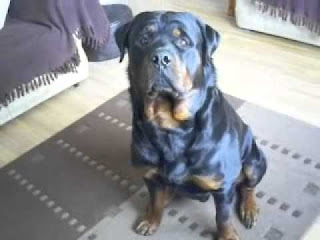
2 - Control allergies and fleas. See your veterinarian to make sure your pet is getting proper allergy relief. And if you notice fleas make sure to do the right thing to prevent itching and scratching. 


3- Boost pet hair health with omega oils. Pet experts and veterinarians say that certain nutrients can be very beneficial for pet hair health. One of these nutrients are fatty acids, such as omega-3 fatty acids and omega-6 fatty acids. Both of these oils can boost the shine and gloss of your pet's coat and decrease shedding. It's very important for your Dog's health.
4 - Brush your pet regularly. As you implement the above recommendations into your pet's lifestyle and decrease shedding, regular brushing can quickly help you clean up any residual pet shedding.

 5 - Have regular checkups. Many diseases can affect the skin and haircoat. Regular visits to your veterinarian will help identify problems early, and provide more effective treatment. 


6 - Remove hair from upholstery and your dog's bed as soon as possible. Hair that is newly shed is easier to remove before it works its way into upholstery fabric.

Monday, May 4, 2015

Rottweiler Ear Tapping

WHY DO PEOPLE TAP ROTTWEILER EARS ? 

Rottweiler Ear TappingRottweiler ears are correctly carried if they lay close to the head. 

Some Rottweiler ears are either set or carried incorrectly and it distracts from the appearance of a strong, broad head, if so you must interven by taping the ears overwise they may remain that way.


Taping will not effect how high the ears are set but will help to greatly improve how the ears are carried. 

Ear taping is simple, non invasive, and only has to stay on for a couple of days.

Thursday, April 30, 2015

Why do people dock Rottweiler's tail ?


Rottweiler Tail Docking

Rottweiler Tail Docking
Rottweiler was always known as a working breed, at the time this breed was developed to prevent their tails from being grabbed by assailants and to prevent problems which a dog could have pulling the carts (such as the tail getting caught in wheels of the carts) people docked the tail of their Rottweilers. 
sponsored

Nowdays even though in some countries of United States of America and in some parts of the world, Rottweiler isn't known as a working breed but more as a guardian dog, people still dock rottweiler's tails for tradition and aesthetic reasons... 

Since tail docking is done at such a young age (1-3 days), they feel little to no pain because the nerve endings are still undeveloped...

Saturday, February 14, 2015

Bone Diseases that may haunt Rottweilers

1. Hip Dysplasia
This is a genetically inherited disease that affects Rottweilers. Along with genes, over-vaccination and obesity are the other common causes of this disease. It can range from mild abnormality to extreme dislocation of the joint.
Bone Diseases that may haunt Rottweilers
Hip Dysplasia
Symptoms
The dog could be limping or bunny hopping for a prolonged period of time.
Prevention
A good natural diet with supplements of chondro-protective medications should help your dog fight this disease.

2. Elbow Dysplasia
It is again a genetic disease, but can also be caused by a bad diet and injury. This disease causes the elbow joints of the front legs being malformed. This is because of the different growth rates of the three bones that form the elbow. This can also lead to osteoarthritis because the malformation damages the bones and cartilages. This problem can be seen when the pup is as young as four months.
Hip Dysplasia
Symptoms
One of the common symptoms is lameness of the front limb. Your dog might limp; he/she might stop putting weight on the front leg or drag it while walking. They may also hold the diseased leg away from body when they are walking.
Prevention
It is a lifelong problem and surgery is the only cure. In certain cases surgeries are ideal and can get rid of the disease all together.
3. Panosteitis
Panosteitis is also known as the long bone disease. It can cause sudden lameness in a growing pup or a young dog between 5 and 12 months of age. This disease can cause alternating lameness in one or more legs. The pain and limping can shift over a period of time that could be several weeks to months. The lameness is caused by excessive bone production in the front and hind legs. It generally effects dogs that are subjected a high protein diet.
Symptoms
It can cause inflammation, lameness and limping.
Prevention
Once over 18 months the dogs that are affected from this condition out grow the problem.
Rottweilers are large dogs that are prone to joint and bone diseases. Most of the diseases can be taken care by proper diet. /Article Source: http://EzineArticles.com/5689380/

Twitter Delicious Facebook Digg Stumbleupon Favorites More